Why We Started mokhaLab
For those who care about how coffee is made — not just how it tastes.
mokhaLab · April 16, 2026 · 4 min read ·
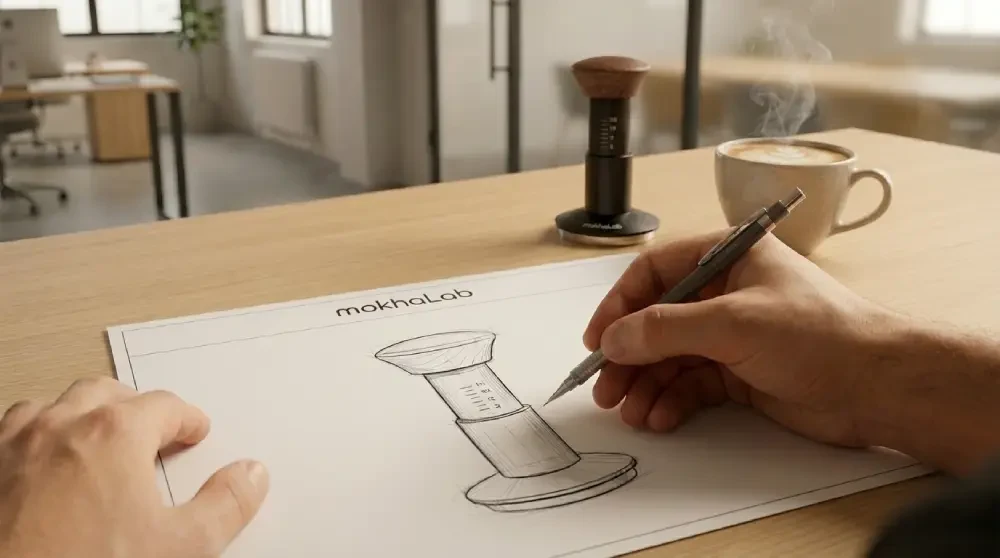
Espresso is unforgiving. With backgrounds in software engineering, we spend our days managing variables, edge cases, and systems where precision is the only path to a predictable result. But for a long time, our morning ritual—the one time we step away from the screen—felt like it was failing the "logic test."
We had the high-end machines and the specialty beans. Yet, the results were non-deterministic. One morning was a god-shot; the next was a channeled, bitter mess. We realized the bottleneck wasn't the coffee or the water—it was the tools. Many of the accessories on our bar felt imprecise, overcomplicated, or built as "disposable" consumer goods.
In our world, when a system is inconsistent, you don't just "try harder"—you fix the architecture. We found ourselves adjusting our technique just to compensate for the flaws in our gear. In engineering, we call that a "workaround." And workarounds aren't sustainable.
So, we decided to stop adjusting and start building.
The Intersection of Heritage and Logic
The name mokhaLab reflects the internal tug-of-war between the history of the craft and the modern need for precision.
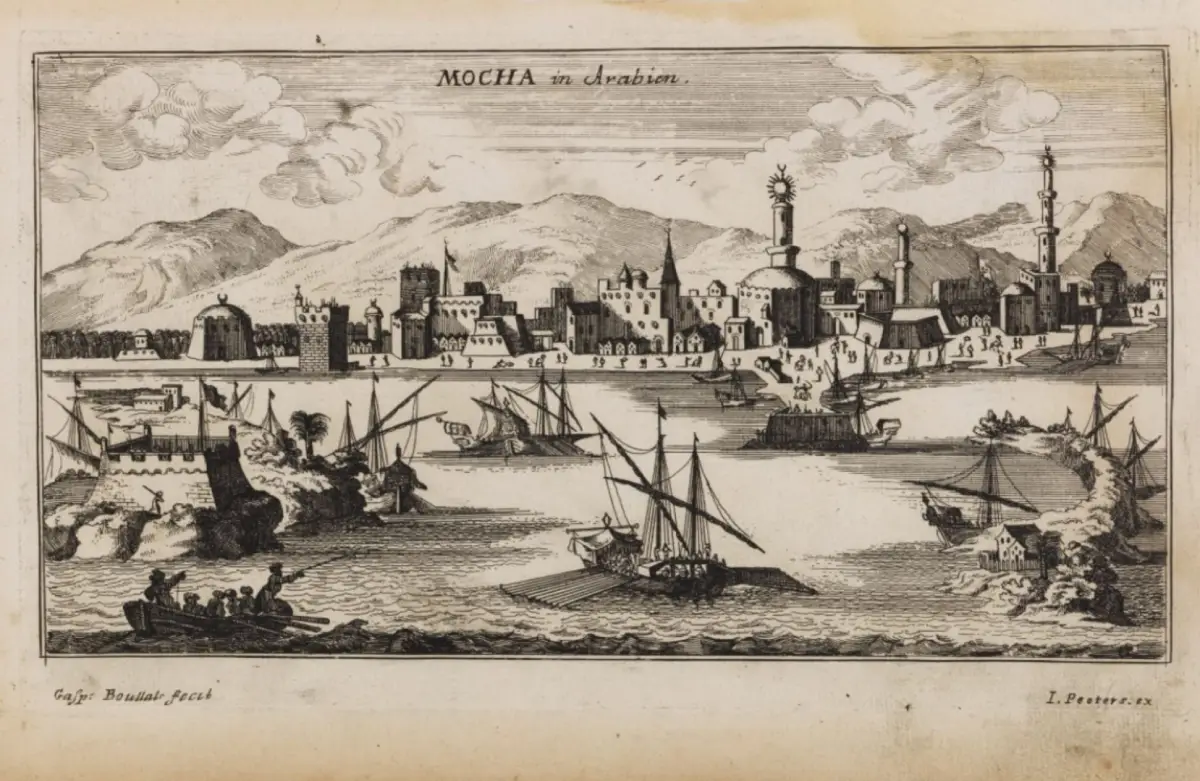
- Mokha traces back to the port in Yemen that first shared coffee with the world. It represents the origin, the soul, and the centuries of ritual that make coffee more than just a caffeine delivery system.
- Lab represents our process. We don’t just "make" tools; we iterate. We test. We refine.
You’ll notice we use camelCase for our branding. It’s a subtle nod to our roots in code—a language where a single misplaced character can break an entire system. We bring that same "code-review" level of scrutiny to every edge, every gram of weight, and every micron of tolerance in our hardware.
Built for the Seamless Workflow
Our goal isn't to give you more things to think about while you’re waking up. It’s the opposite.
We believe that when a tool is designed correctly, it disappears. You shouldn't be thinking about the spring tension in your tamper or the needle alignment of your WDT tool. You should be thinking about the aroma and the flow. By designing our tools as a cohesive workflow, we’ve removed the friction. Each piece supports the next, ensuring that your morning "input" consistently yields the perfect "output."
Designed in British Columbia, Built for Longevity
Operating out of British Columbia, we are shaped by a mindset of restraint over excess. We aren’t interested in "fast-fashion" coffee gear. We choose materials like walnut and high-grade stainless steel because they age; they don’t degrade. Sustainability, for us, isn’t a marketing buzzword—it’s the logical byproduct of building things properly the first time. If a tool earns its place on your bar, it should stay there for a decade, not a season.

The Roadmap: Beyond the Portafilter
We are starting with the espresso workflow, but the "Lab" is already running simulations on what’s next.
While espresso is a battle of pressure, pour-over is a battle of fluid dynamics. We know that the ritual doesn't end at the espresso machine. Whether it’s mastering the laminar flow of a perfect pour-over or the thermal stability of a carafe, we plan to bring the same engineering rigor to every method of brewing. Our roadmap includes gear for the pour-over enthusiast and the slow-brew perfectionist—anywhere where precision meets the bean.
The Standard: We Ship What We Use
Before any mokhaLab product reaches your kitchen, it lives in ours. It gets used through the morning rush, tested in real-world conditions, and reworked if it fails even a single "unit test."
The standard is simple: If we wouldn’t choose it for our own daily ritual, it doesn’t ship.
Welcome to the Lab. Let’s make the ritual better.