The Psychology of Coffee: Why Do We Feel Happy with the First Sip?
The First Sip: A Deep Dive into the Brain’s Favorite Way to Wake Up
mokhaLab · May 12, 2026 · 4 min read ·

For millions around the world, the day doesn’t truly begin until the steam from the coffee cup rises. It’s not just a way to wake up; it’s a sacred ritual that combines biochemistry, emotional memories, and neurological programming. So what really happens in our brains when that first sip touches our tongues? And why does it transcend mere “awakening” to become a state of bliss and contentment?
1.Brain Chemistry: The Clever Adenosine Trick
To understand the secret of happiness in coffee, we must first understand the “trick” of caffeine. Throughout our waking hours, the brain produces a substance called adenosine, which is responsible for our feeling of tiredness. It binds to specific receptors, signaling to the brain, “It’s time to rest.” This is where caffeine comes in as a hero in disguise. Its molecular structure is so similar to adenosine that it tricks these receptors and binds to them instead. This binding not only prevents drowsiness but also unlocks the “happiness hormones.” When adenosine is blocked, neurotransmitters like dopamine and glutamate flow more freely. Dopamine is the primary driver of the brain’s reward system, and it’s the main reason behind that mild “high” and heightened focus you feel after the first sip.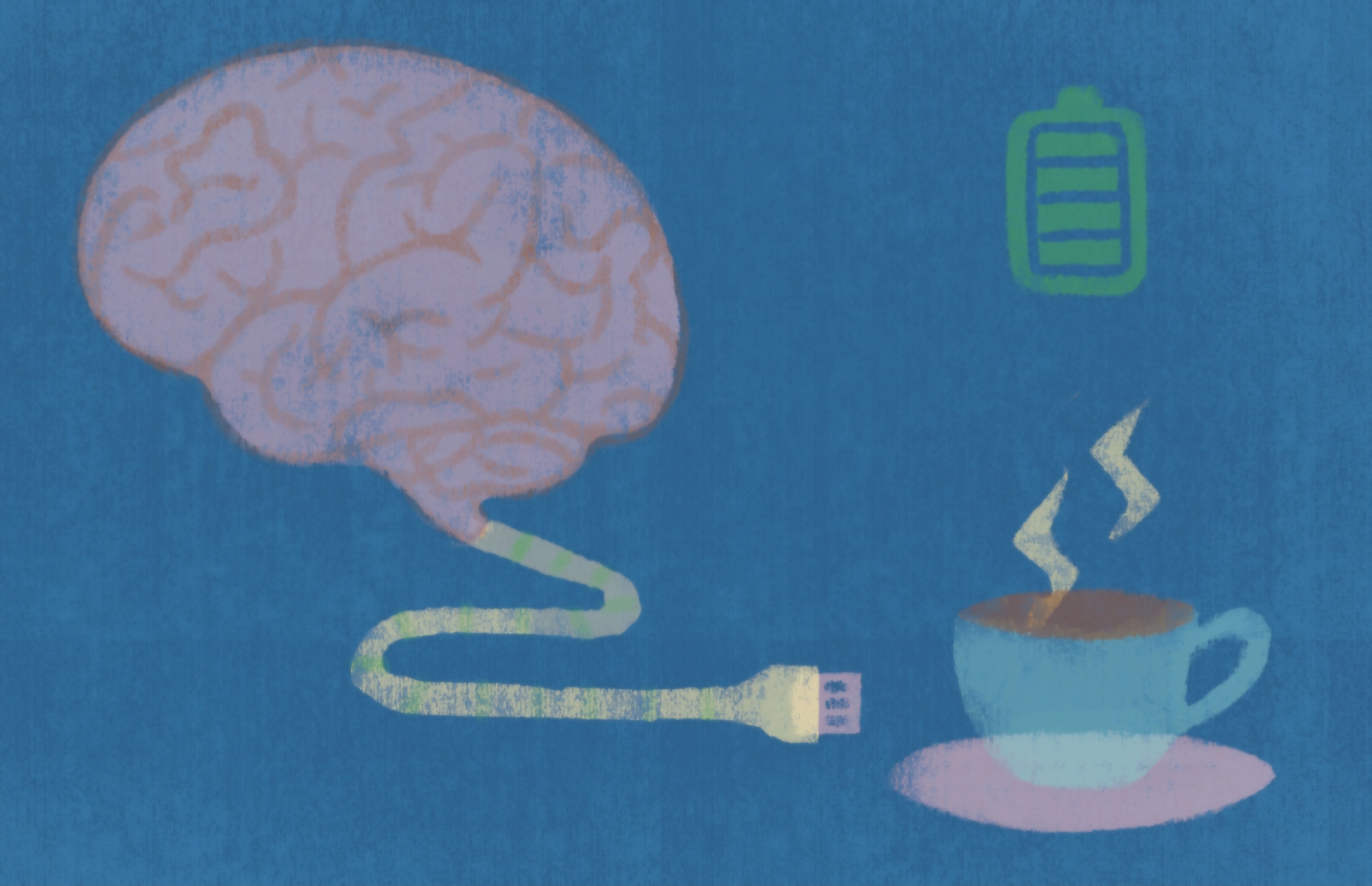
2.The Magic of Anticipation: Happiness Begins Before You Drink
Have you ever noticed that your mood starts to improve as soon as you hear the coffee machine or smell the aroma of freshly ground coffee? Psychologists call this phenomenon "conditioned response." Your brain is adept at associating stimuli with their consequences. Through years of repeated coffee experiences, your brain has learned that this smell and this sound signify "upcoming relaxation and energy." As soon as you inhale the aroma, the brain begins releasing small amounts of dopamine in anticipation of the reward. So, the first sip isn't the beginning, but rather the culmination of a psychological process that has already begun with the mere thought of preparing the cup.
3.Coffee Rituals and Psychological Security
Beyond the chemistry, coffee plays a pivotal role in our psychological well-being through its rituals. In a fast-paced and chaotic world, coffee offers a moment of tranquility. The way your hands rest around the warm cup, the stirring motion, the familiarity of sitting in your favorite spot—all these repetitive movements send calming signals to your nervous system. This ritual reduces cortisol levels (the stress hormone). The first sip acts as a psychological anchor, reconnecting you to the present moment and giving you a sense of control over your day before the pressures of work and life begin 
4.Emotional Connection and Sensory Memory
Our sense of smell is directly linked to the limbic system in the brain, the part responsible for emotions and memories. The aroma of coffee is often associated with positive memories: peaceful mornings, gatherings with close friends, or warm family moments. When you take that first sip, you’re not just tasting a black liquid; you’re subconsciously recalling all those positive feelings stored in your memory. In this sense, coffee is a “liquid comfort,” a daily reminder that there are good and simple things worth enjoying.
5.Coffee as a Tool for Social Interaction
Since the emergence of coffee houses in the 16th century, this beverage has been associated with conversation and sharing. Psychologically, humans tend to link physical warmth with emotional warmth. Studies indicate that holding a warm cup of coffee makes us perceive those around us as kinder and more open. The first sip in a social setting breaks the ice, preparing the mind for a state of acceptance and participation. It acts as a “social facilitator,” allowing conversations to flow more smoothly and enhancing our sense of belonging, a cornerstone of human happiness.

In Short
The secret to happiness in that first sip of coffee lies in a brilliant blend of biology (the dopamine effect), behavioral psychology (expectation and ritual), and emotion (memories and social connections). It is not merely a stimulant; it is a complete sensory experience that offers a moment of reflection amidst the hustle and bustle of life. The next time you pick up your cup, pause for a moment before that first sip, and sense how your mind and body are preparing to celebrate this little ritual; you are not just drinking coffee, you are renewing your covenant with joy.