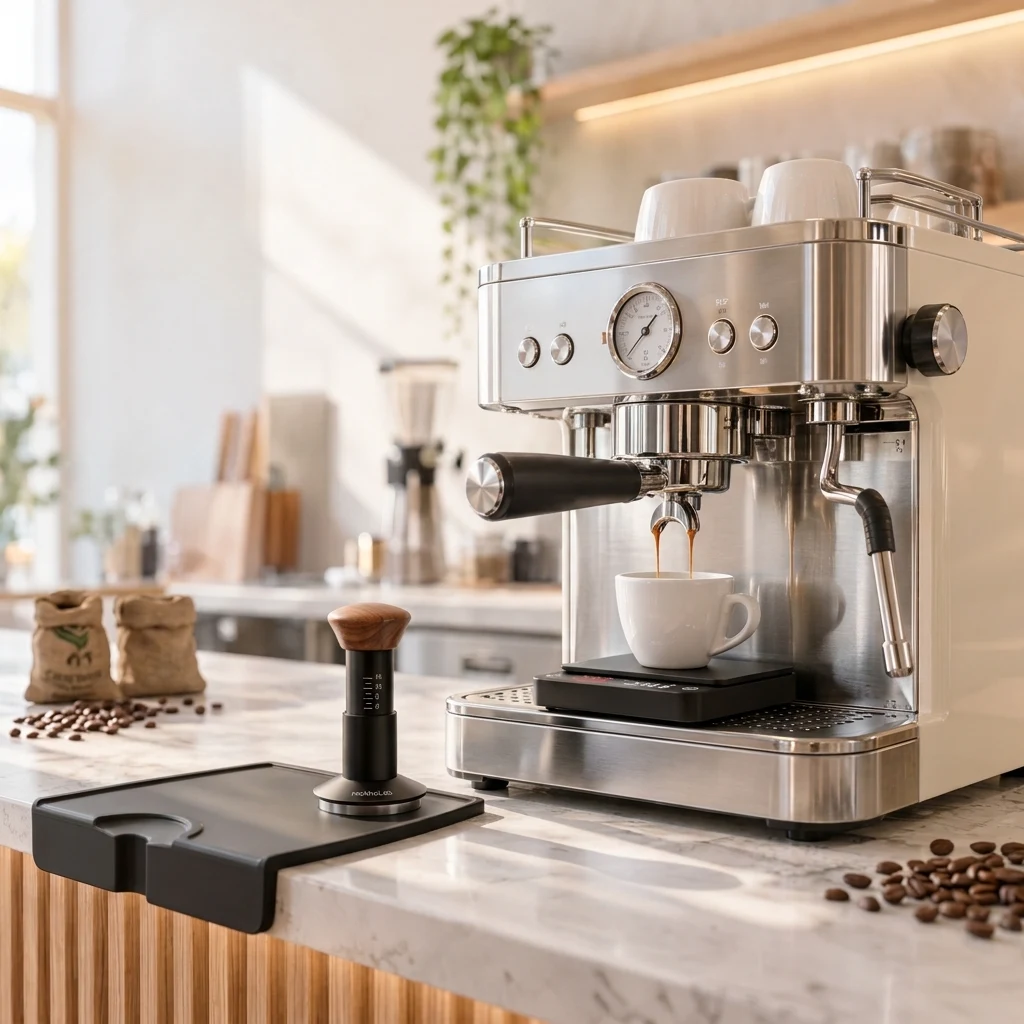
A professional espresso machine can give you precise control over pressure, temperature, and extraction. It cannot, however, guarantee a perfect shot every time. The final result is shaped by many decisions that happen before the pump starts: how much coffee you use, how evenly it is distributed, whether the grounds contain clumps, and whether the coffee bed is level after tamping. This is why espresso preparation includes a range of tools designed to make important steps more consistent. Yet a growing collection of barista tools can also create confusion, especially for beginners. What does each tool do? Are they all necessary? What is the difference between a WDT tool and a distributor? Why would you need a tamping station? This guide follows the usual preparation sequence. It explains what each tool is designed to do, where it helps, and where its role ends. The goal is not to suggest that more equipment automatically produces better coffee. The goal is to help you understand which problem each tool is meant to solve.
The Scale: Control the Dose and Yield (A Must-Have Tool)
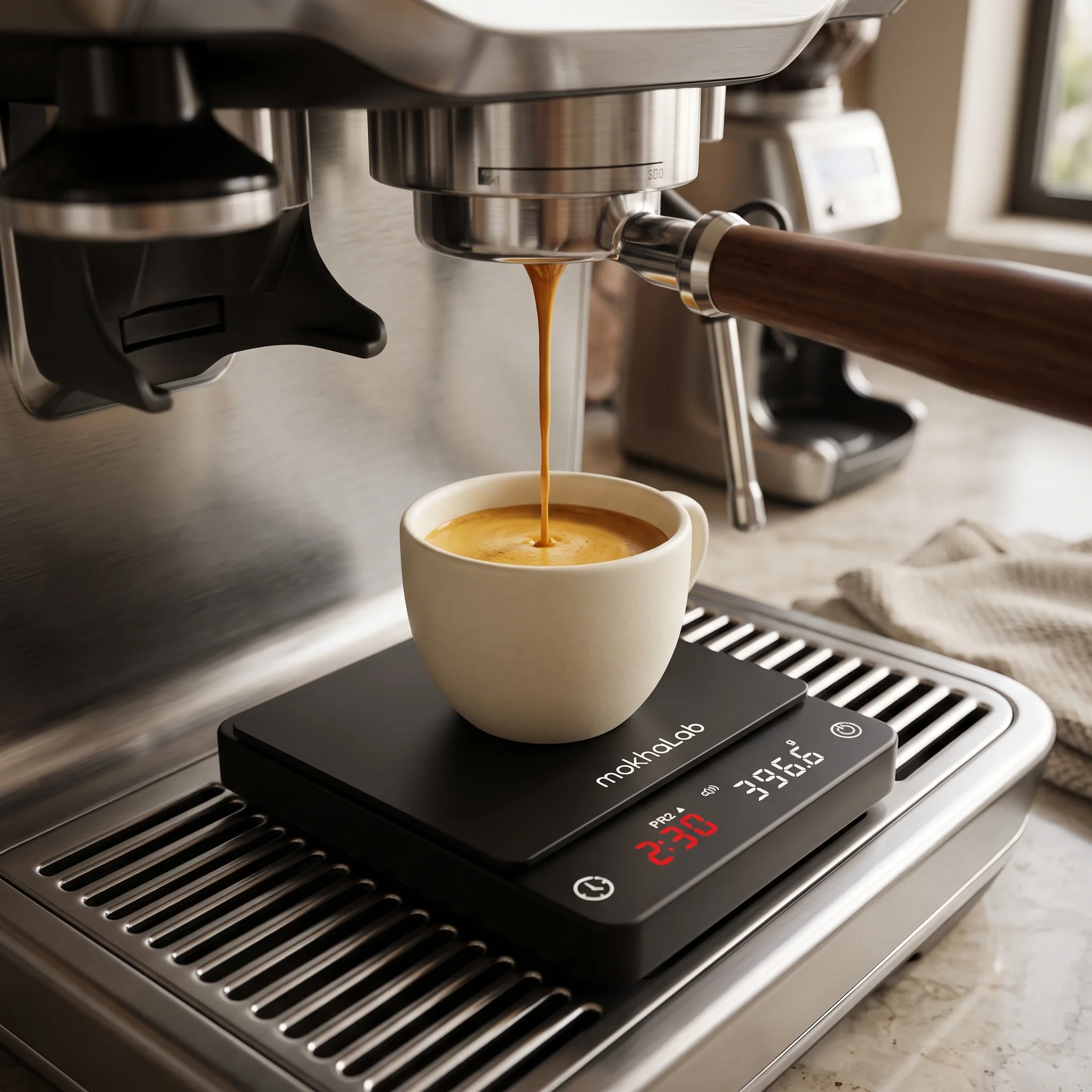
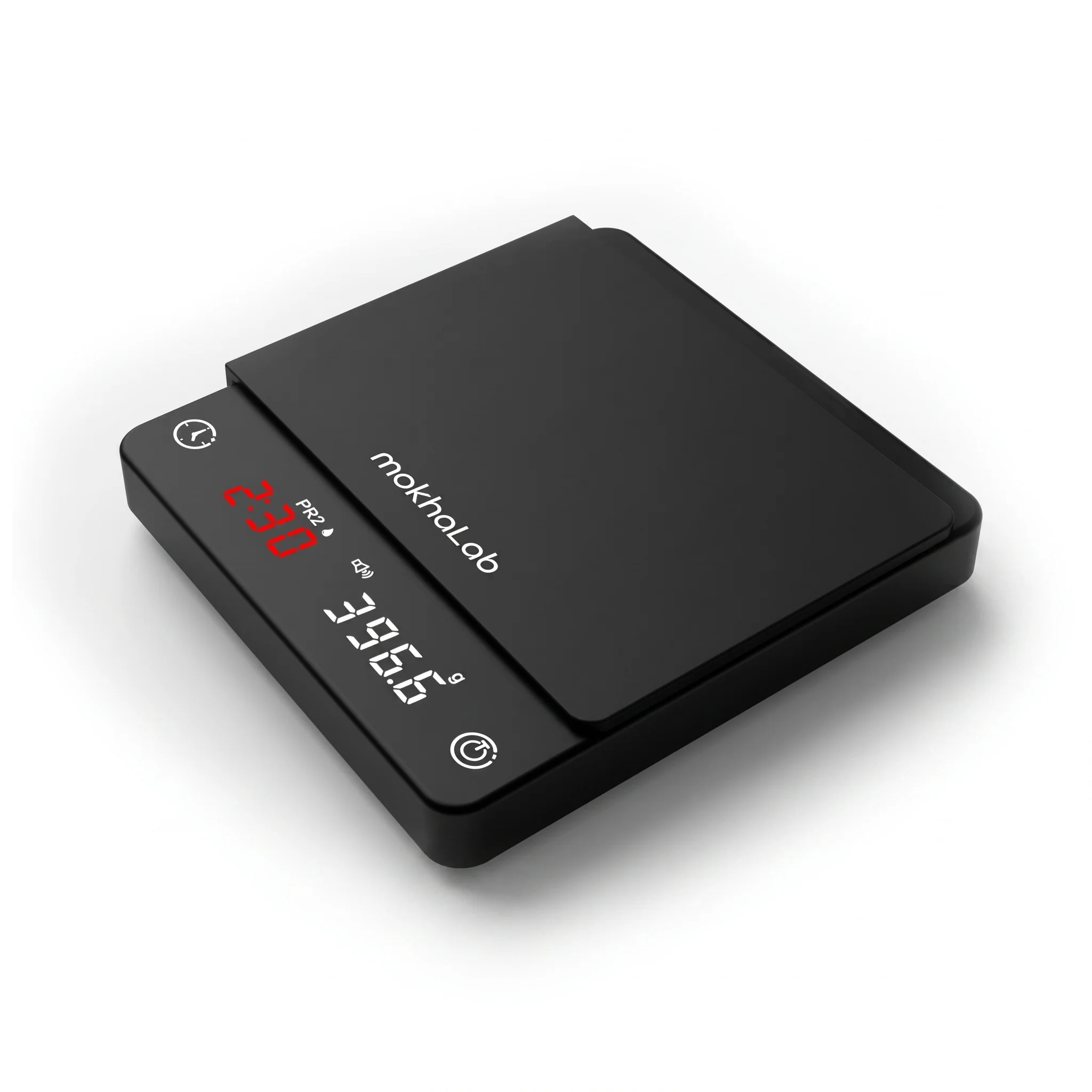
Espresso preparation begins with the amount of coffee in the basket. The difference between 17 and 18 grams may appear small, but it matters when you are trying to reproduce the same recipe more than once. A scale replaces guesswork with a measurable dose. The scale is also useful during extraction. By weighing the espresso as it pours, you can compare the amount of coffee used with the amount of liquid produced. For example, an 18-gram dose that yields 36 grams of espresso gives you a ratio that can be recorded and repeated while dialing in the recipe. A scale with a built-in timer adds another useful measurement. It allows you to observe extraction time alongside dose and yield. Time is not a target that should be followed blindly, but it is valuable information when comparing one shot with another. Why it matters. Changing the dose or the final yield changes the recipe. Measuring both makes it easier to identify why one shot tastes or flows differently from the previous one. In short: a scale helps you control the dose, the beverage yield, and the extraction time. It makes experimentation more systematic and troubleshooting more transparent.
Barista Towels: Keep the Work Area Organized (A Must-Have Accessory)
Discover mokhalab Barista Towels
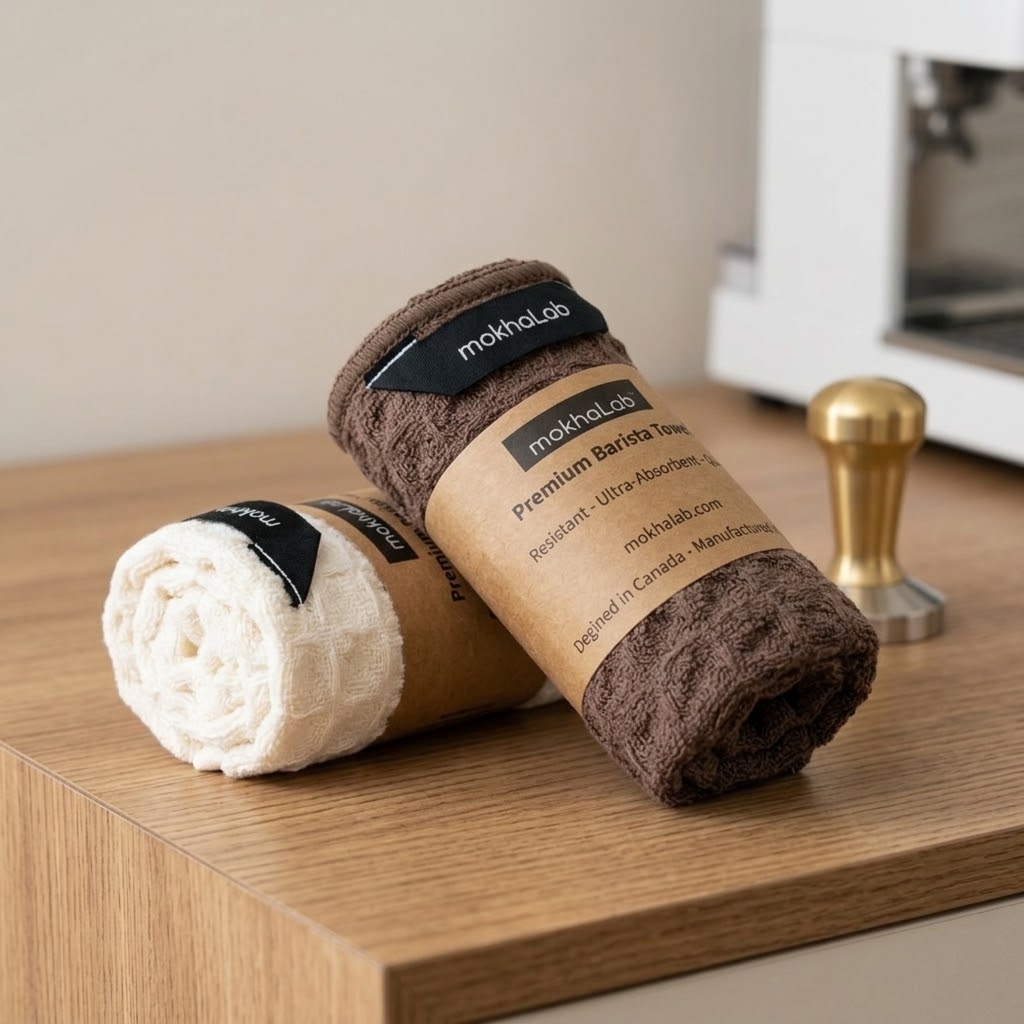
Not every coffee accessory is intended to improve extraction directly. Barista strips, for example, are used to help keep the preparation area clean and organized. Ground coffee is light and can scatter around the grinder and portafilter. As several shots are prepared, residue can build up on the counter. Keeping the area clean does not necessarily alter the extraction of a particular shot, but it makes the workflow more orderly and simplifies cleanup between uses. Barista strips are therefore more closely related to workspace management than to extraction control. That distinction is useful when deciding which accessories deserve priority in a home setup.
The WDT Tool: Break Up Clumps and Improve Distribution (A Major Should-Have)
Discover mokhalab Espresso WDT Distribution Tool
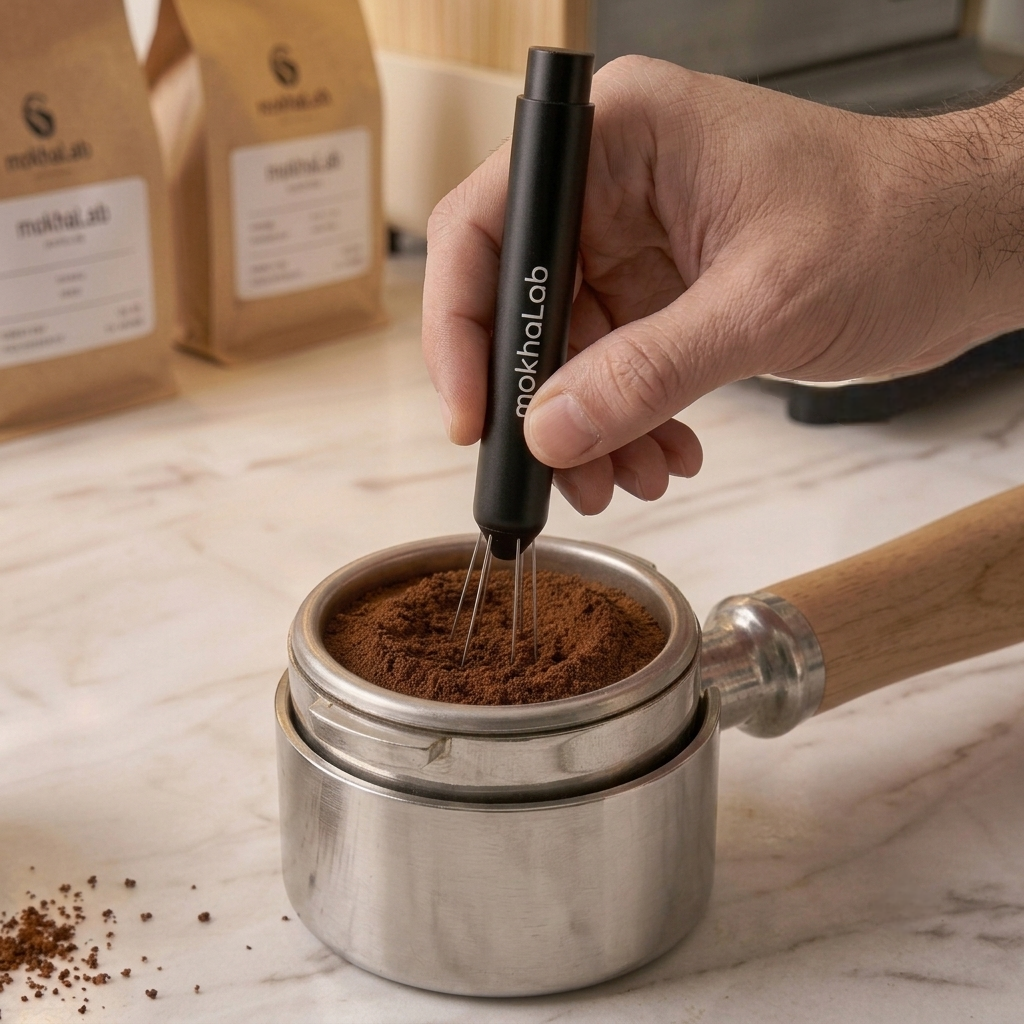
After coffee is ground into the portafilter, the grounds may form clumps. Their presence can vary with the grinder, the grind setting, and the characteristics of the coffee itself. A WDT tool—short for Weiss Distribution Technique—usually consists of several fine needles used to stir the grounds gently. The main purpose is to create a more even distribution of coffee throughout the basket before tamping. The tool should move through the grounds rather than compress them. The intention is to reduce uneven density, not to pack the coffee down prematurely. Clumps and extraction. Water naturally looks for paths that offer less resistance. If the coffee bed has areas with noticeably different densities, water may pass more heavily through certain regions. This uneven flow is commonly known as channeling. Using WDT does not guarantee that channeling will disappear. It can, however, address one possible source of unevenness, particularly when the grounds show clear clumps or the grinder produces a distribution that is difficult to manage by hand. How to use it. After dosing the portafilter, move the needles through the coffee in a gentle, organized way. Focus on distributing the grounds from the bottom and sides of the basket toward an even bed. Once the coffee is distributed, level the surface if necessary and then tamp.
The Tamper: Compress the Grounds (A Should-Have for Perfect Level Tamping)
Discover mokhalab Precision Impact Tamper
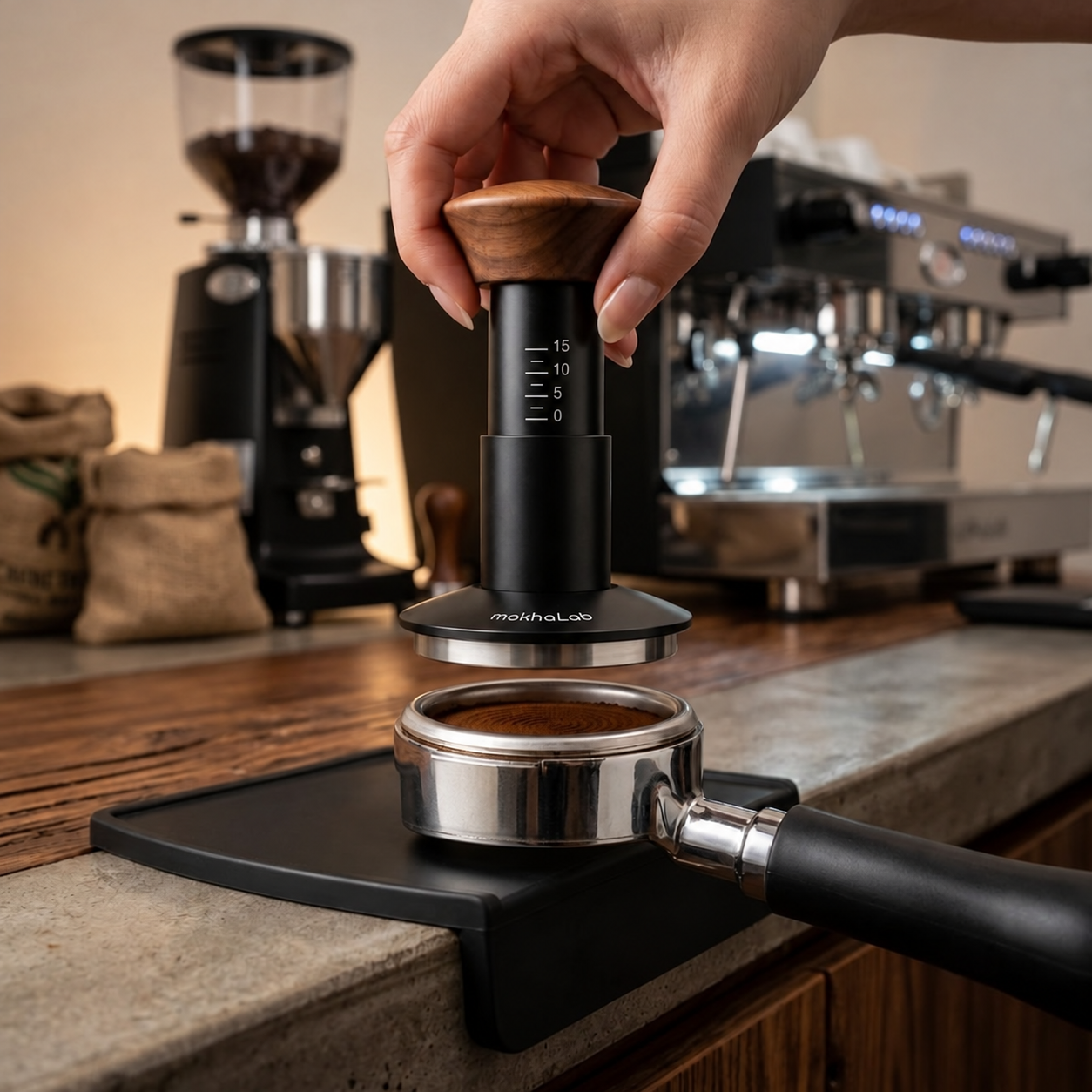
After distribution and surface preparation, the coffee is ready to be tamped. The tamper compresses the grounds inside the basket and forms them into a cohesive puck. One of the most important parts of tamping is keeping the tamper level. A tilted tamp can create a puck with an uneven surface, which may influence how water moves through the coffee. Consistency from one shot to the next is more useful than chasing a particular amount of force. There is little practical benefit in pressing as hard as possible if the grounds were poorly distributed beforehand. A reliable preparation usually prioritizes the following:
Good distribution
Breaking up clumps when needed
A level surface
A consistent, level tamp
The same method each time
This approach makes it easier to evaluate other changes, such as grind size or dose, because the preparation variables are not changing randomly from shot to shot.
The Distributor: Level the Coffee Bed — A Nice-to-Have (and Satisfying to Work With)
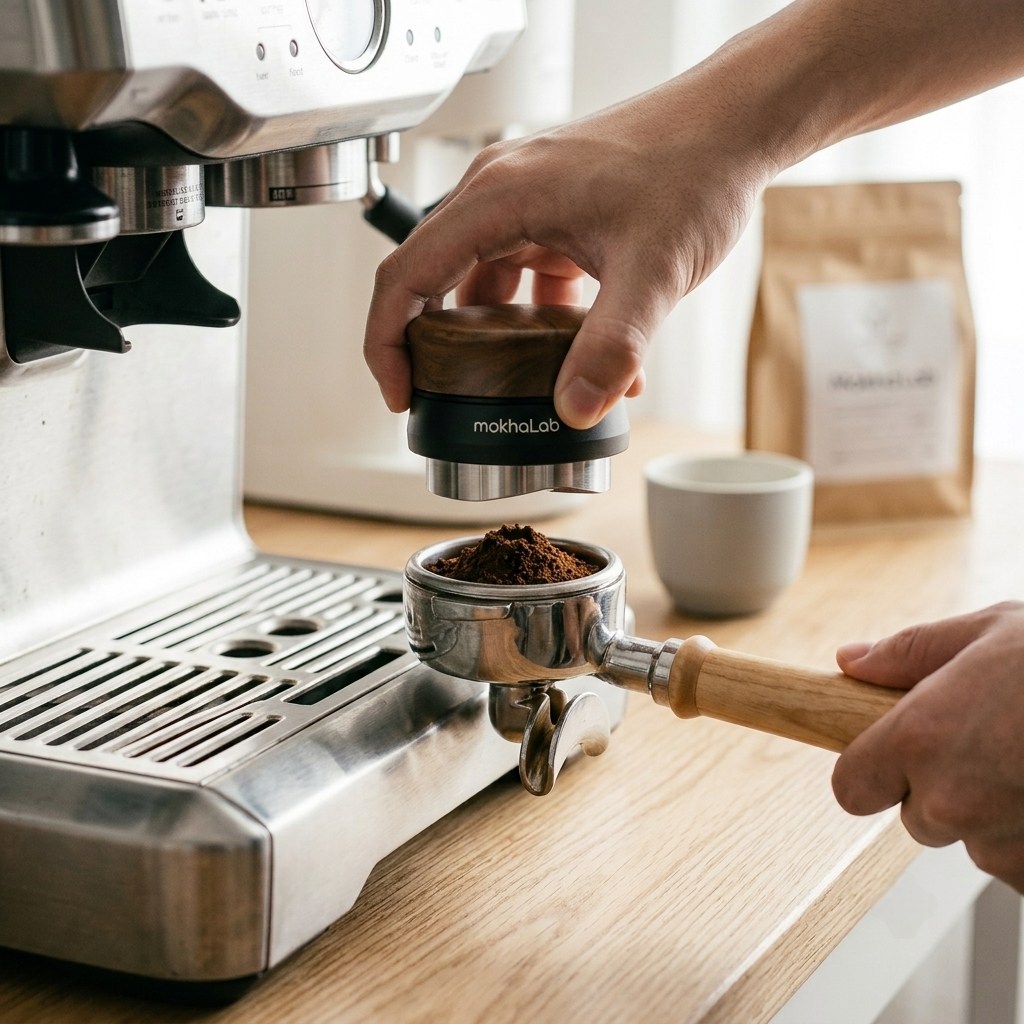
Discover mokhalab Gravity Adaptive Distributor
Once the grounds have been distributed and any clumps have been addressed, the surface of the coffee bed needs to be prepared for tamping. A distributor, sometimes called a distribution tool, is designed to help spread and level the grounds inside the portafilter basket. It is important to distinguish this tool from WDT. WDT primarily stirs the coffee, breaks up clumps, and improves distribution throughout the basket. The distributor primarily works on the surface, helping create a more even bed before the tamper is used. Using WDT, a distributor, and a tamper in that order is one possible workflow, not a mandatory rule for every barista. A distributor is not essential for making good espresso. A barista can achieve an even surface with careful hand distribution and a consistent technique. The way the distributor is used also matters. Its purpose is to level the coffee, not to apply heavy pressure or compensate for poor distribution in the earlier stage.
The Tamping Station: Stabilize the Portafilter (A Nice-to-Have for Organization & Stability)

Discover mokhalab Tamper Station
A tamping station is a base that supports the portafilter during tamping. It does not directly change the extraction by itself, but it can make the process more stable, comfortable, and repeatable—especially when preparing espresso frequently. Instead of placing the portafilter directly on the countertop, the station provides a secure point of support. This has two practical benefits. First, it reduces movement while pressure is applied. Second, it helps protect the countertop and the portafilter from unwanted contact and scratches. A tamping station is therefore best understood as a supporting accessory for the tamping stage, not as an extraction tool in its own right.
Do You Need All of These Tools?
No. This is especially important to remember when you are starting to prepare espresso at home. Owning more equipment does not automatically produce better coffee. Some tools make certain steps easier or more repeatable, but the quality of the result depends on several factors working together: the coffee, the grinder, the grind size, the dose, distribution, tamping, water, and the machine. It is possible to make good espresso with a scale and a tamper if the coffee is distributed carefully and consistently. A WDT tool may be useful when the grounds form visible clumps or when distribution is difficult to control. A distributor can help level the surface, but it is not a substitute for good distribution. A tamping station can make tamping more stable and comfortable, while barista strips mainly support cleanliness and organization. There is no single equipment list that every barista must follow. The better approach is to understand what each tool does and choose according to your preparation method, grinder, machine, and workflow.