Coffee Rituals Around the World: From the Arabica Cup to Italian Espresso
From Ancient Ceremonies to Modern Mastery: A Global Celebration of Coffee Culture
mokhaLab · May 24, 2026 · 4 min read ·
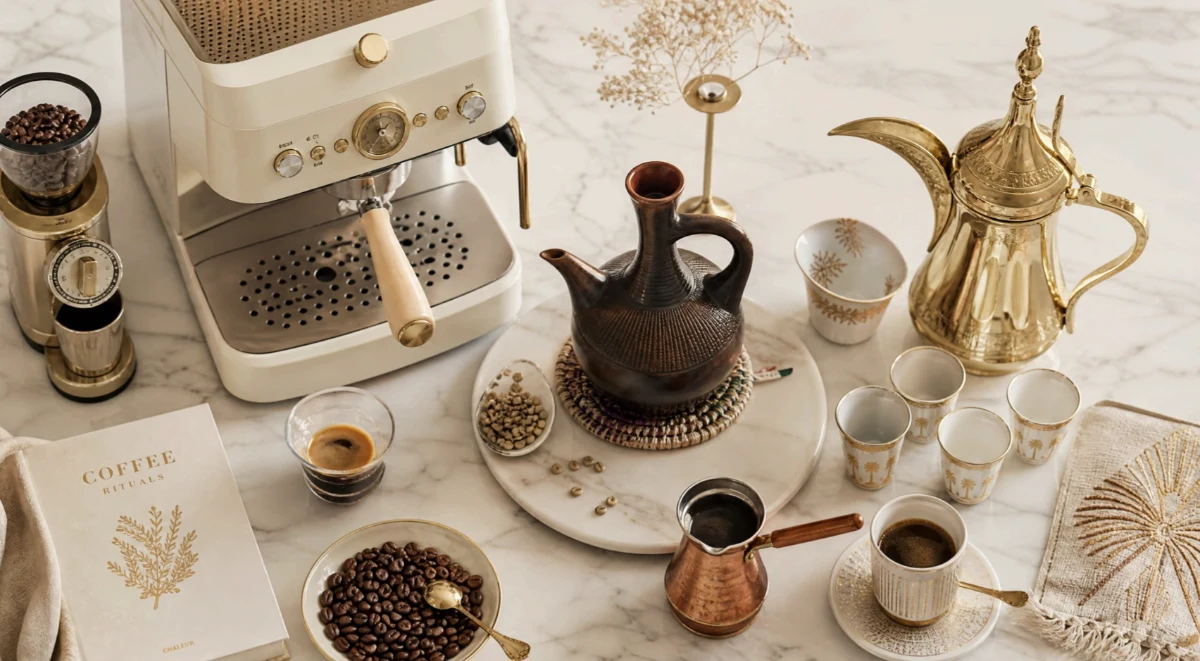
Coffee, more than just a beverage, is a global phenomenon deeply woven into the fabric of countless cultures. From ancient ceremonies to modern-day social rituals, the preparation and consumption of coffee reflect diverse traditions, hospitality, and community values. This article embarks on a journey to explore some of the most fascinating coffee rituals across the globe, highlighting their unique characteristics and cultural significance.
Ethiopia: The Birthplace of Coffee and the Buna Ceremony
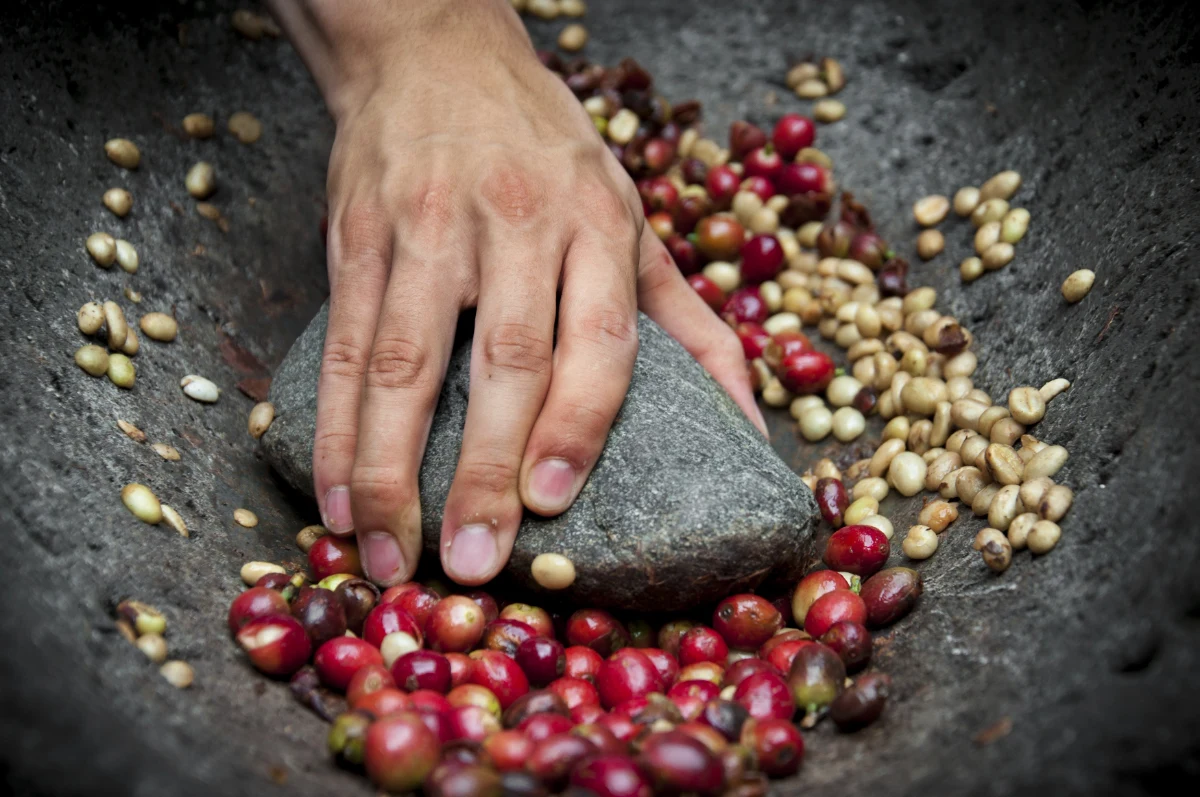
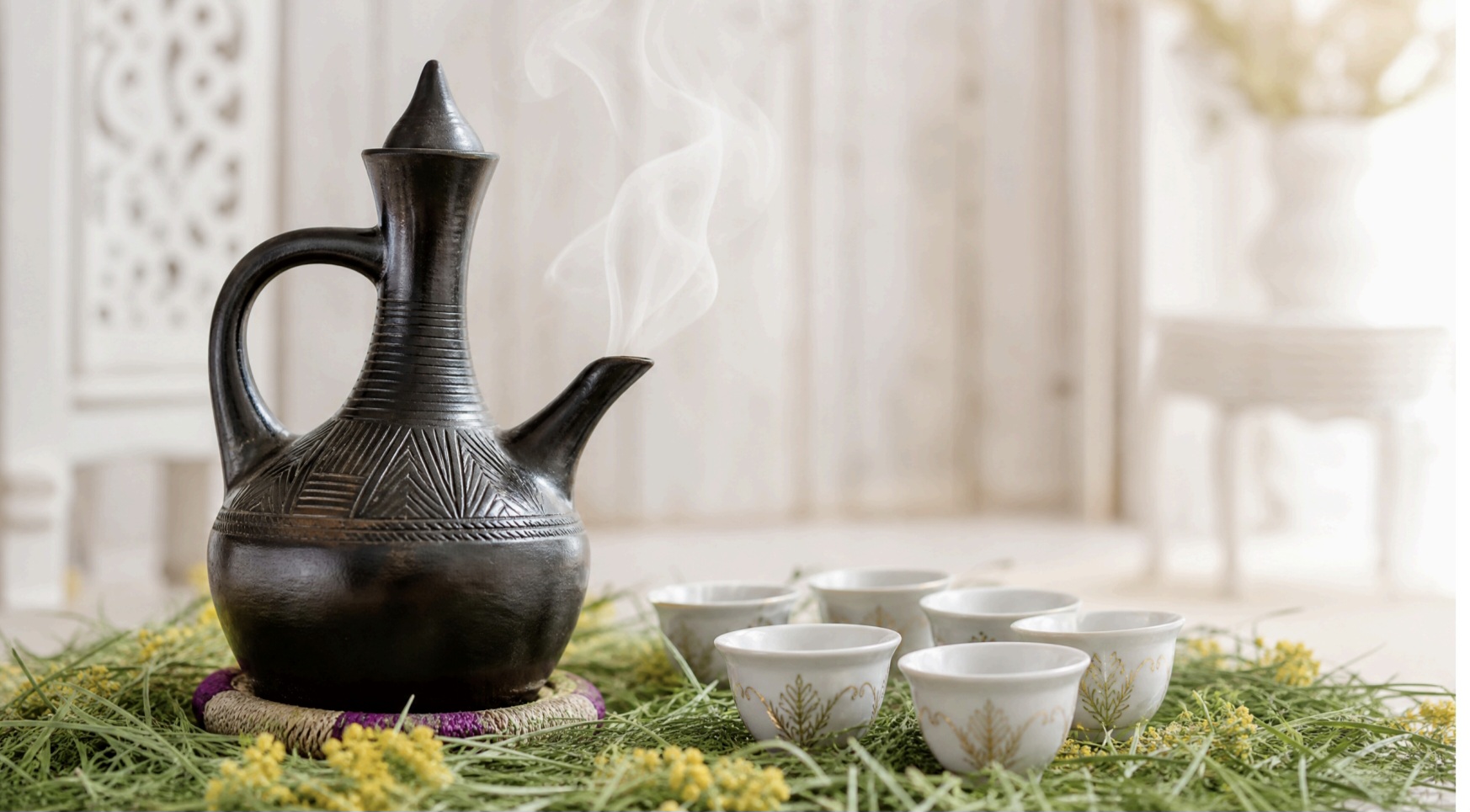
Ethiopia, widely recognized as the birthplace of coffee, boasts a rich and intricate coffee ceremony known as “Buna.” This ritual is not merely about drinking coffee; it is a profound expression of hospitality, respect, and friendship, often lasting for hours. The ceremony is typically conducted by a woman, who meticulously guides participants through each step, from roasting to serving. The process begins with the ceremonial washing and roasting of fresh green coffee beans over an open flame, often in a flat pan. The aromatic smoke from the roasting beans is fanned towards guests, allowing them to savor the rich fragrance. Following roasting, the beans are traditionally ground using a mortar and pestle. The ground coffee is then brewed in a jebena, a traditional clay pot with a spherical base, a narrow neck, and a pouring spout. Water is brought to a boil in the jebena, and the coffee is brewed in three distinct rounds, each with its own symbolic meaning. The first round, known as “abol,” is the strongest, followed by “tona,” and finally “baraka,” which is considered a blessing. The coffee is served in small, handleless cups called finjal, often accompanied by popcorn or traditional snacks. The Ethiopian coffee ceremony is a testament to the country’s deep connection to coffee, embodying a sense of community and shared heritage.
The Arabian Dallah and the Ritual of Qahwa
In the Arabian Peninsula, coffee, or gahwa, holds immense cultural significance, symbolizing generosity, hospitality, and social connection. The serving of gahwa is an elaborate ritual, often performed with a traditional Arabic coffee pot called a dallah. This ornate pot is deeply embedded in the culture of the Gulf region and is a symbol of hospitality. Arabic coffee is typically made from lightly roasted beans, often spiced with cardamom, saffron, or cloves, giving it a distinctive aroma and flavor. Unlike Western coffee, gahwa is served black, without sugar or milk, in small, handleless cups known as finjan. The host traditionally serves the guests multiple times, and it is customary for the host to taste the first cup to ensure its quality. The pouring technique is also part of the ritual; the coffee is poured from the dallah in a continuous stream, filling only a small portion of the finjan. This encourages guests to accept multiple servings, fostering conversation and camaraderie. The Arabian coffee ritual is a timeless tradition that reinforces social bonds and embodies the rich heritage of the region.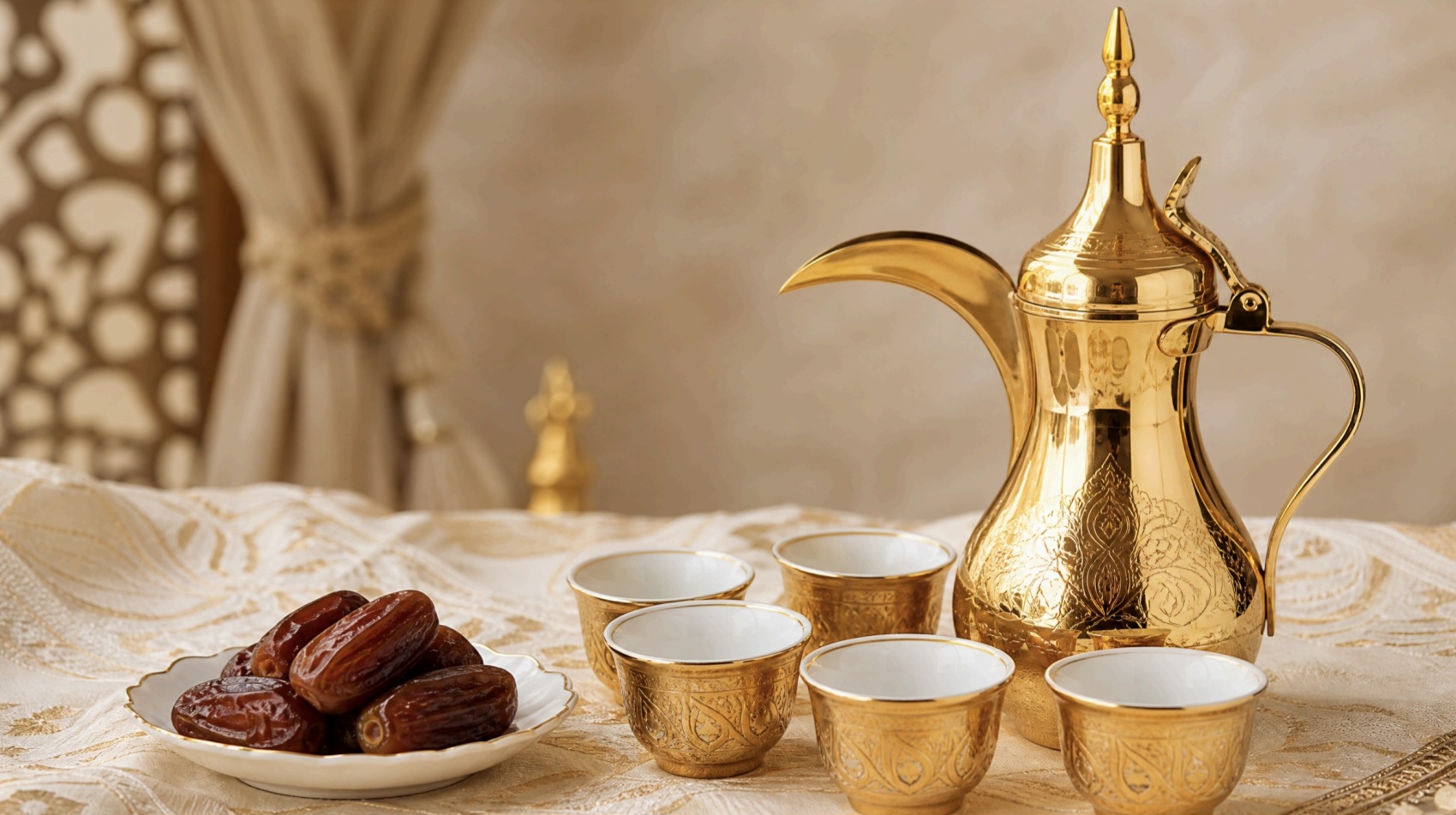
Italian Espresso: A Daily Ritual of Precision and Pleasure
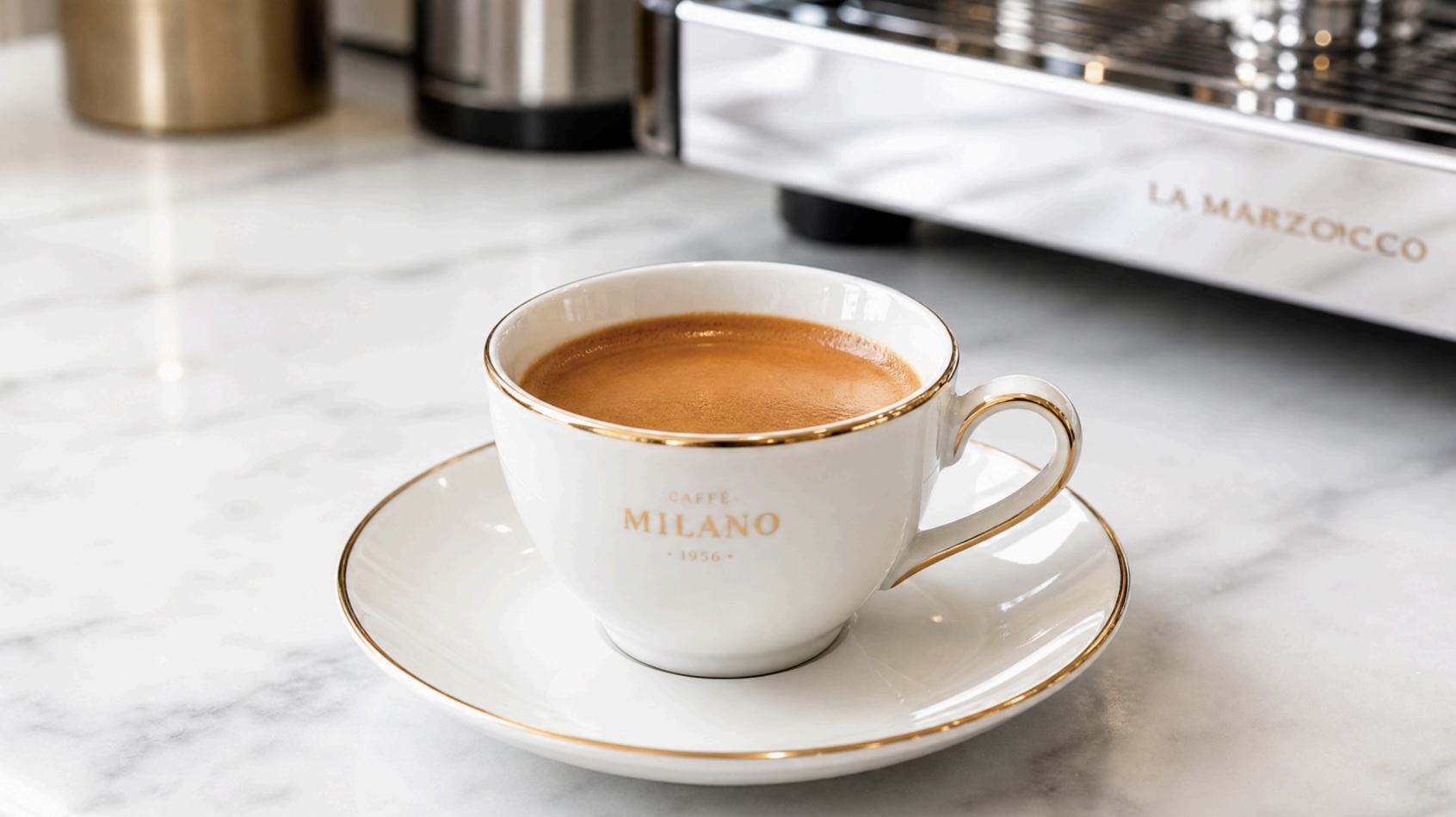
Italy's contribution to the global coffee landscape is arguably its most iconic: the espresso. More than just a strong shot of coffee, espresso is a cornerstone of Italian daily life, a quick, intense burst of flavor and energy, and a ritual steeped in precision and tradition. The Italian approach to coffee is characterized by speed, quality, and a deep appreciation for the perfect brew. An authentic Italian espresso is made from finely ground coffee beans, through which hot, pressurized water is forced. This process extracts the coffee's essence, resulting in a concentrated shot topped with a rich, reddish-brown crema - a sign of a well-made espresso. The ritual often takes place standing at a bar, where a quick exchange with the barista is part of the experience. Italians typically drink espresso several times a day, often after meals, and it is rarely consumed with milk after mid-morning. The etiquette surrounding espresso is simple yet strict: drink it quickly while it's hot, savoring the intense flavor. The Italian espresso ritual is a testament to the country's passion for quality and efficiency, transforming a simple drink into an art form and an indispensable part of their cultural identity.