Coffee Culture and the Slow Movement
Why the third wave was always about more than taste
mokhaLab · April 18, 2026 · 3 min read ·
Specialty coffee arrived at the same moment the world began moving fastest. Smartphones, always-on connectivity, the collapse of the boundary between work and rest — and alongside all of it, a quiet counter-movement: people choosing to grind their own beans, to heat water to a precise temperature, to stand at a pour-over for four minutes when a pod machine would take thirty seconds. That timing was not an accident.
The Third Wave as Cultural Statement
The first wave of coffee culture was about access — getting caffeine to as many people as possible, as cheaply as possible. The second wave, led by chains like Starbucks, was about experience — the café as a third place, the drink as a customisable treat. The third wave is something different. It is about provenance, process, and presence.
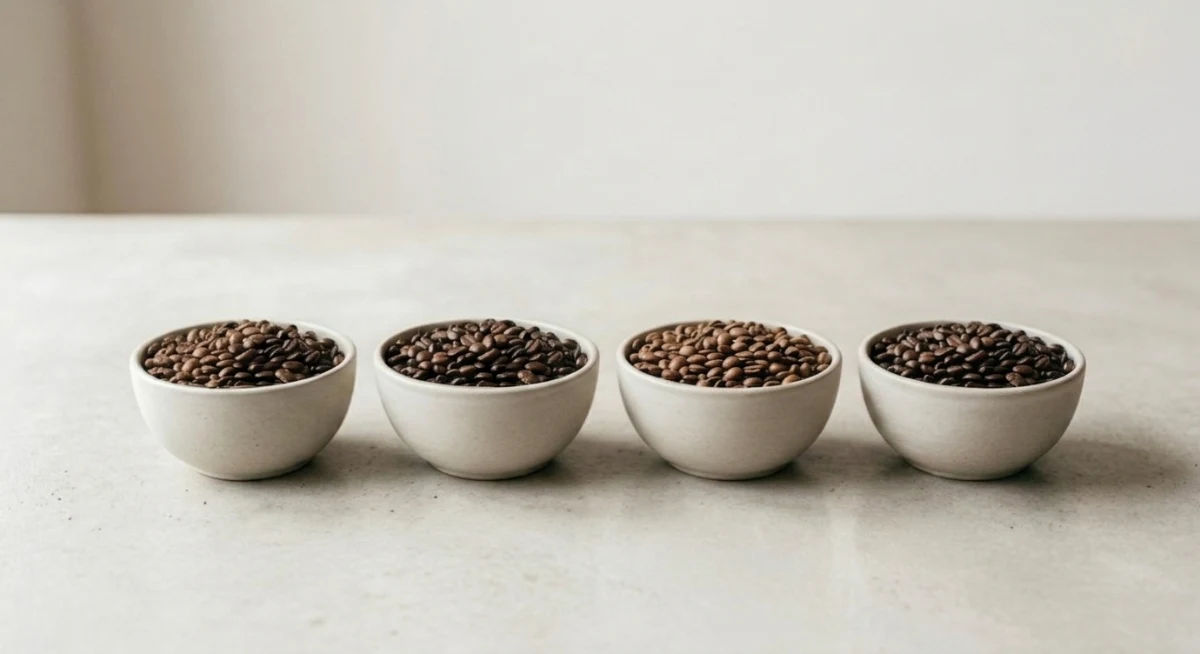
Third-wave coffee asks you to know where your beans came from, who grew them, at what altitude, processed by what method. It asks you to taste the difference between a washed Ethiopian and a natural Brazilian. It asks, in short, for your attention — and in a world engineered to fragment attention, that ask is quietly radical.
To make a pour-over is to choose, for four minutes, to be nowhere else. That is rarer than it sounds.
Japan and the Aesthetics of Slowness
No coffee culture has taken the slow movement further than Japan's. The Japanese kissaten — the traditional coffee shop — predates the third wave by decades. In a kissaten, the barista may spend ten minutes on a single cup of siphon coffee, working with the focused attention of a craftsperson. The customer waits, and the waiting is part of the experience.
This is not inefficiency. It is a different relationship with time — one that treats the preparation of something good as worthy of duration. The cup tastes better because you watched it being made. The ritual creates the meaning.
What We Are Really Choosing
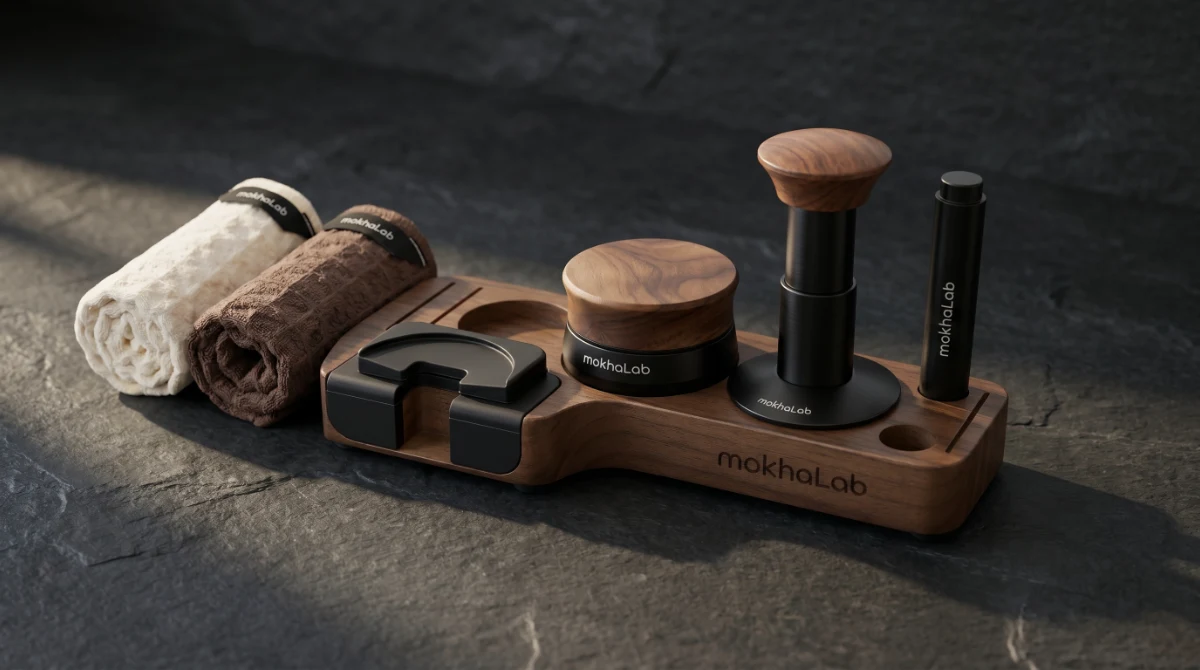
When someone invests in a quality grinder, a gooseneck kettle, a precision tamper — they are not just optimising their extraction. They are making a statement about how they want to spend their mornings. They are choosing a practice that requires presence over one that rewards distraction.
The tools matter because the ritual matters. And the ritual matters because it is one of the few places left where the only thing asked of you is to pay attention to what is in front of you — the water, the grounds, the bloom, the cup.
In that sense, specialty coffee is not really about coffee at all. It is about recovering something that speed keeps trying to take away.